






















A Day in the Life of a Certified Nurse-Midwife
I am a Certified Nurse-Midwife. I’m lucky enough to empower my patients each day, and for many of us, this work is more than a vocation. It is our life’s passion.
Midwifery literally means “with women.” Whether I am catching babies, treating sexually transmitted infections, providing reproductive healthcare, or connecting with patients during annual visits, the work centers on supporting patients through major stages of life.
I became interested in midwifery after shadowing an obstetrician in college while planning to become a physician. Instead, I fell in love with the midwifery model. Nurse-midwifery takes a comprehensive approach that combines education, treatment, prevention, and collaboration with a healthcare team.
The Nurse-Midwifery Industry Is Growing
Hospital systems, clinics, and communities increasingly recognize nurse-midwives as important members of the healthcare workforce. According to the U.S. Bureau of Labor Statistics, nurse-midwives held approximately 8,200 jobs in 2025. Employment is projected to grow 11 percent from 2025 to 2035, faster than the 3 percent average for all occupations.
The median annual wage for nurse-midwives was $134,040 in May 2025. Compensation varies by experience, location, work setting, schedule, call responsibilities, and scope of practice.
Certified Nurse-Midwives must be registered nurses, complete graduate-level education in nurse-midwifery, satisfy supervised clinical requirements, pass a national certification examination, and meet state APRN licensure requirements.
I have two Master of Science in Nursing degrees. My first graduate degree prepared me as a Clinical Nurse Leader. Through working in obstetrics, I found my true passion and returned to school for a second graduate degree in nurse-midwifery.
My patients come from many backgrounds and stages of life. I also feel strongly that nurse-midwives often care for more than one individual. We support partners, siblings, parents, and other members of a patient’s household. Whether it is encouraging a sibling to listen for a fetal heartbeat or helping a new parent participate in birth, midwifery can be a family affair.
What My Daily Schedule Looks Like
My routine never looks exactly the same. I typically arrive at the hospital around 7:00 a.m. and receive a bedside report from the midwifery partner who worked overnight.
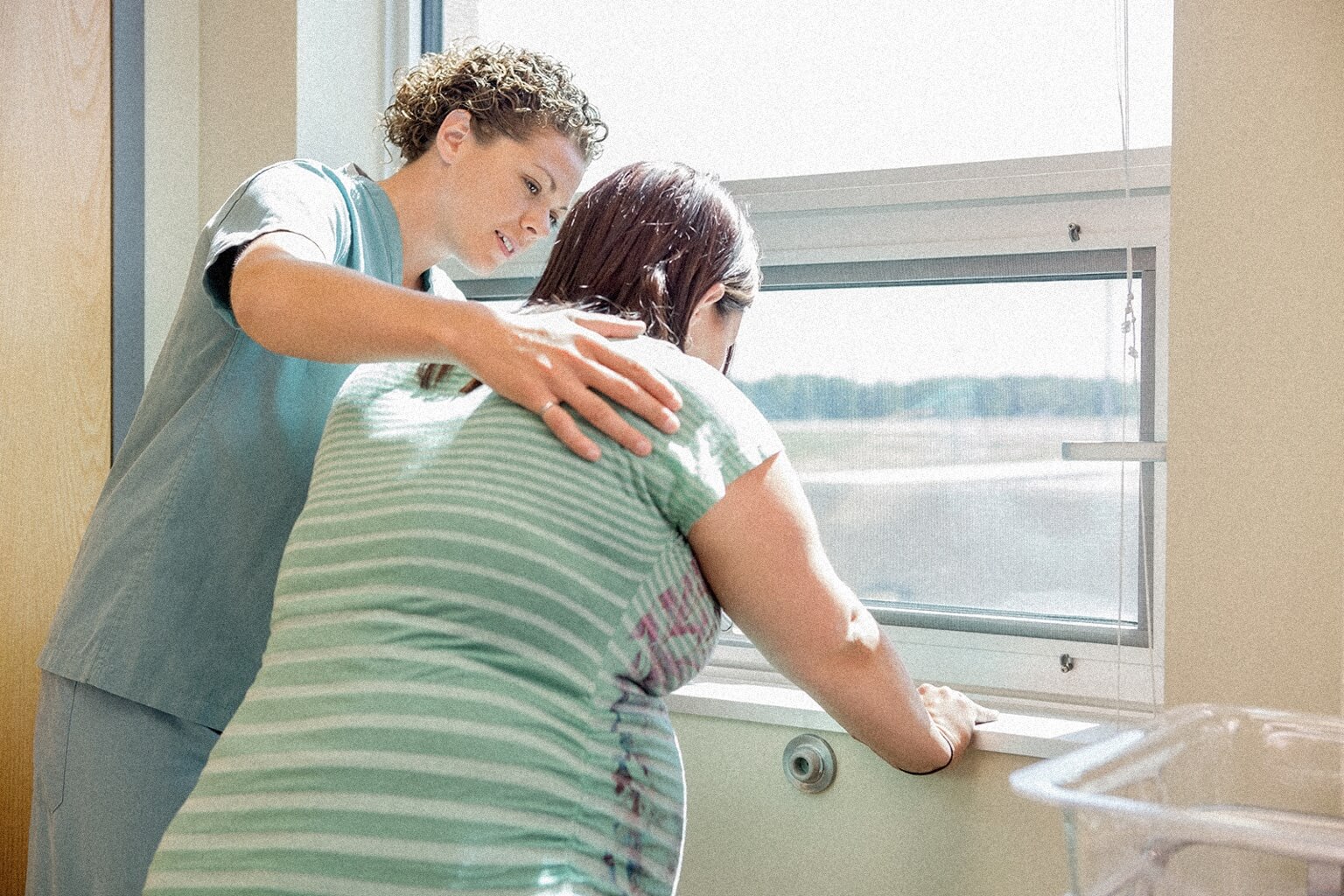
Around 7:30 a.m., I participate in board rounds to learn what is happening across the labor and delivery unit and determine whether another patient or clinician needs help. I then meet with patients who are in labor, assess their progress, discuss the plan of care, and support them through contractions.
If I can step away from the labor unit, I visit the postpartum floor, check on new parents and babies, answer questions, and help prepare families for discharge.
The answering service may also contact us about patients with new symptoms or concerns. Some are directed to triage to determine whether they are in labor or whether the patient or fetus needs urgent evaluation.
Once those concerns are addressed, I return to patients in labor. Some choose epidural anesthesia, while others give birth without medication. What matters is that patients receive accurate information, understand their options, and feel supported in their decisions.
More Than Delivering Babies
Nurse-midwifery is not limited to childbirth. Depending on training, setting, and state scope-of-practice laws, CNMs may provide:
- Annual reproductive and gynecological visits
- Contraceptive counseling and management
- Preconception care
- Prenatal and postpartum care
- Testing and treatment for sexually transmitted infections
- Menopause care
- Sexual and reproductive healthcare
- Health education and preventive services
CNMs may work in hospitals, physician practices, clinics, birth centers, academic settings, and public health organizations. Their schedules may include nights, weekends, holidays, and on-call responsibilities because labor does not follow office hours.
Preparing to Become a CNM
If nurse-midwifery interests you, research accredited graduate programs, state APRN requirements, clinical expectations, and certification through the American Midwifery Certification Board.
When you are ready for the certification exam, start with the current AMCB candidate materials and content outline. Use the outline to structure your study plan, then practice applying knowledge to prenatal, intrapartum, postpartum, newborn, gynecological, primary care, and professional-practice scenarios.
Ready to study? Prepare for the AMCB CNM exam with Pocket Prep.
