






















If you’ve ever been to any kind of gym or workout class, odds are there was someone at the front of the room with a chipper disposition and a headset, encouraging you to ‘feel the burn’.
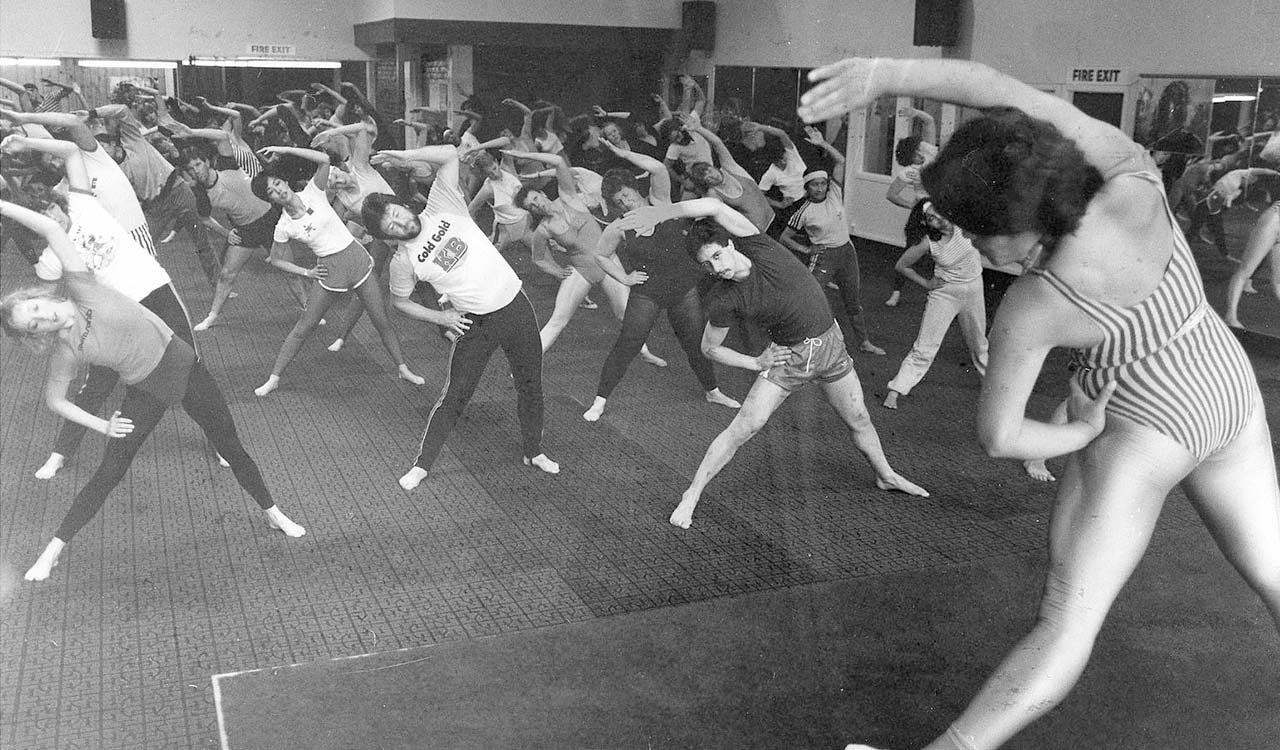
Group fitness initially gained popularity in the 70s and 80s. Jodi Misset created Jazzercise. Jackie Sorenson founded the first aerobic dance program. And who can forget the high energy of popular TV personality Richard Simmons. These early group fitness pioneers paved the way for the wide variety of fitness options available today, which continue to grow in popularity.
Why does group fitness work?
Aside from the fun factor of group fitness, there’s a psychological reason for its efficacy. Many of us feel more motivated or pressured to perform in a group. This is known as the Köhler effect and has been widely studied in various settings, including physical health.
The small push to do better, whether it comes from a competitive drive or simply from wanting to stay with the group, is very real for many in group fitness settings.
How to get certified in group fitness
For someone already in the fitness industry, getting GEI-certified can be an excellent way to expand your skill set and increase your job options. For those just getting started, it’s a great way to get your foot in the door in fitness.
Many governing bodies offer some form of group fitness certification. It’s up to the individual to decide which program and certification are right for them. Most all have the same requirements:
- High school diploma or equivalent
- CPR and AED certified
- 18 years or older
Popular group fitness instructor certifications
While there are quite a few fitness certifications out there, below are three of the better-known organizations with a strong history in fitness.
ACSM GEI
The American College of Sports Medicine has been around since 1954. Their GEI exam costs $299 for members and $399 for non-members. Their exam focuses on four domains:
- Class Design
- Leadership
- Instruction
- Professional Responsibilities
ACE GEI
The American Council on Exercise was established in 1985 and is NCAA-accredited. Their GEI programs range from $269 to $449 depending on what type of study material you want. Their exam focuses on:
- Group Fitness Fundamentals
- Considerations, Design, and Preparation for Class
- Elements of Leading Group Class
- Safety, Nutrition, and Legal Considerations
ISSA GEI
The International Sports Science Association was founded in 1988. The ISSA GEI is a structured program that you enroll in. It normally costs $116.50/month for a 12-month plan. Their course teaches 12 distinct group fitness formats, ranging from HIIT to Step classes.
Group Fitness vs. Personal Training
While there is a lot of overlap between the two, personal training generally focuses on one client at a time and offers a much more personalized approach to fitness. A personal trainer will need to fully evaluate and understand a client’s history, lifestyle, and goals before designing and implementing a program.
Group fitness instructors often work with groups ranging from 5 to 100+. There are always modifications for different skill levels and abilities, but their focus is more on maintaining momentum and energy for the group as a whole.
For group fitness, there’s also a level of personality that is generally expected. Relating to someone one-to-one is very different from energizing and encouraging a room full of people. This is definitely a factor to consider when thinking about this certification.
Angie Miller, Master Instructor for NASM, AFAA, and Kettlebell Concepts, says it best in her article about personal training and group fitness:
“When I teach group fitness instructors how to lead groups, I tell them that participants won’t remember the moves they taught nor the specific reasons why they enjoyed the class, but they will remember the experience. From the sense of belonging, to the energy and excitement throughout the class, to the sense of accomplishment they feel when they leave the room, that’s what will inspire them to come back.”
Job Outlook
The U.S. Bureau of Labor Statistics projects a 19% growth for fitness trainers and instructors between 2021 and 2031. It also reports the median salary as $40,700 per year. It’s worth noting that these numbers refer to someone with a high school diploma and do not necessarily account for certifications and degrees.
Other certifications to consider
There are many certifications available for those in the fitness industry. It comes down to the type of clients and activities that one is interested in. A group fitness instructor who works with aging populations may find the Certified Population Specialist a useful addition to their certification arsenal.
There are also specializations based on specific class formats and styles, such as Zumba, PiYo (pilates & yoga), AntiGravity fitness, water aerobics, and many others. The fitness industry has a wide range of specialty areas, which makes it a fun and ever-changing industry to be in!