




















You sit down to study, open your laptop, and suddenly feel frozen.
You know what you should do… but everything feels urgent, and nothing feels doable. If you’ve ever felt that kind of mental paralysis, you’re not alone and you’re not lazy. What you’re experiencing has a name and quite a bit of research behind it: emotional overwhelm.
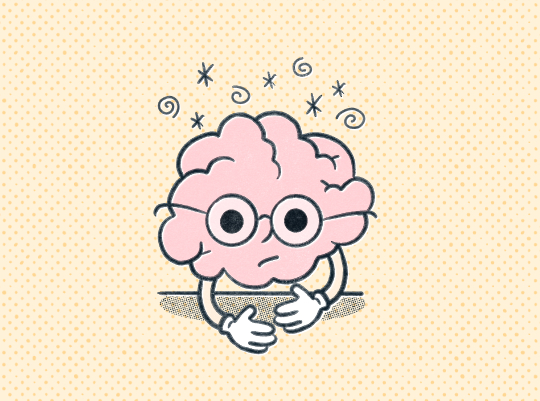
Emotional Overwhelm, noun. When your feelings (often stress) are greater than your brain’s ability to manage them.
During emotional overwhelm, your brain shifts into an emergency-response mode, narrowing its focus to whatever feels most urgent. It’s the same system that would kick in if you suddenly had to react to seeing a tiger in the wild: really helpful in the moment to get you out of there, but not a great mindset for long-term planning or clear decision-making.
Modern stressors don’t work that way. They’re often chronic, poorly defined, and require sustained effort rather than immediate action. So when your brain stays stuck in an overwhelm response, it ends up doing more harm than good. You’re not running from a tiger- you’re juggling multiple urgent tasks while low on energy and not enough rest.
The good news? There are real, research-backed ways to work through emotional overwhelm.
1. Reduce the Number of Stressors Coming In
This isn’t as simple as just think differently, but that is the core idea. Research behind Cognitive Behavioral Therapy (CBT) shows that we can retrain how our brains respond to stress by changing the way we interpret what’s happening.
The stressors themselves are real, but overwhelm often comes from the way your brain is forced to process them all at once. Reframing and acceptance help reduce that mental load before it spirals.
Reframing – Change the Way You Perceive Events
Reframing means changing how you interpret a stressor so it feels less threatening and more manageable. Instead of treating every problem as urgent or catastrophic, you look for a more accurate, grounded perspective that helps your brain stay calm enough to think clearly. The situation doesn’t disappear: your response to it becomes more useful. That way “There’s too much material. I can’t do all of it.” becomes “I can create plan to move forward”.
Acceptance – Let Go of What You Cannot Change
Acceptance is about recognizing which parts of a situation are outside your control and releasing the mental energy spent fighting them. When you stop replaying what should have happened or worrying about what is outside of your control, you free up attention for what can be done next. That shift alone can noticeably reduce overwhelm. Instead of “I messed up. If I had started sooner, this wouldn’t be so stressful.”, accept that it happened, and focus on what you can do now.
2. Interrupt the Feeling of Overwhelm Through Mindfulness
Mindfulness isn’t about curing your mind or fixing the situation; it’s about giving your brain a moment to settle. By focusing on something simple and immediate, like your breath or what you can feel around you, you interrupt the overwhelm loop and reduce the sense of urgency. From there, thinking clearly and taking action becomes much easier.
Give this method a try
Take 3 slow breaths, focusing only on the feeling of air moving in and out. You don’t need to change anything else, just give your brain a moment to pause. Even a 20-second reset can help lower the sense of urgency and overwhelm.
3. Increase Your Ability to Handle Stressors
It should come as no surprise that your ability to handle stress is directly connected to your mental health as a whole. When you’re low on sleep, skipping meals, lacking structure, and not giving yourself down time, even small stressors can feel overwhelming. But the opposite is also true!
When you’re taking care of your basic needs (getting enough rest, eating regularly, and structuring your tasks) your brain has more room to cope. A well-rested, well-fed brain is simply better at handling pressure, staying focused, and bouncing back from setbacks.
Feel Yourself Becoming Overwhelmed?
Do a quick health check: do you need a snack, shower, short walk, or power nap? Remember, supporting your body is often the fastest way to learn material and study effectively. 10 minutes of stressed cramming is worse than a 5 minute break and 5 minutes of focused study.
Being emotionally overwhelmed is not your fault: it’s your brain’s natural response to getting too much to handle. But you can do something about it. By reducing mental load, interrupting stress in the moment, and taking care of your basic needs, you give yourself the space to think clearly again. You don’t have to fix everything at once, even the smallest step can help you move forward.
 learning science